Bucknell University Athletics
Terian Williams II Attends Athletes.org's Inaugural Leadership & Policy Summit
5/23/2025 9:56:00 AM | Football
LEWISBURG, Pa. - Terian Williams II was one of seven athletes across the NCAA chosen to attend Athletes.org’s inaugural Leadership and Policy Summit on May 20-21.
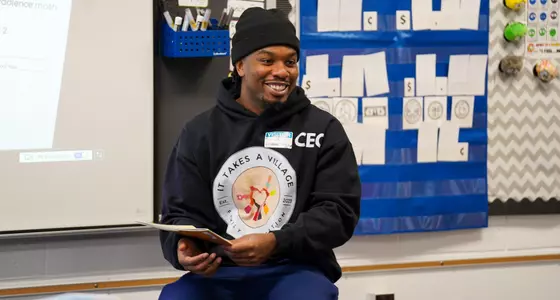
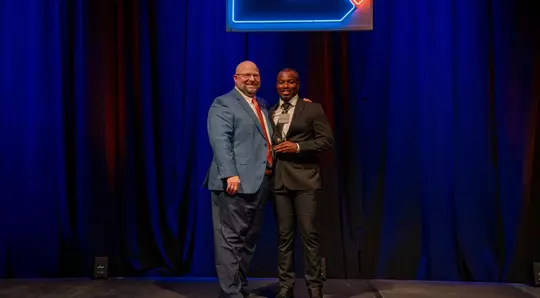
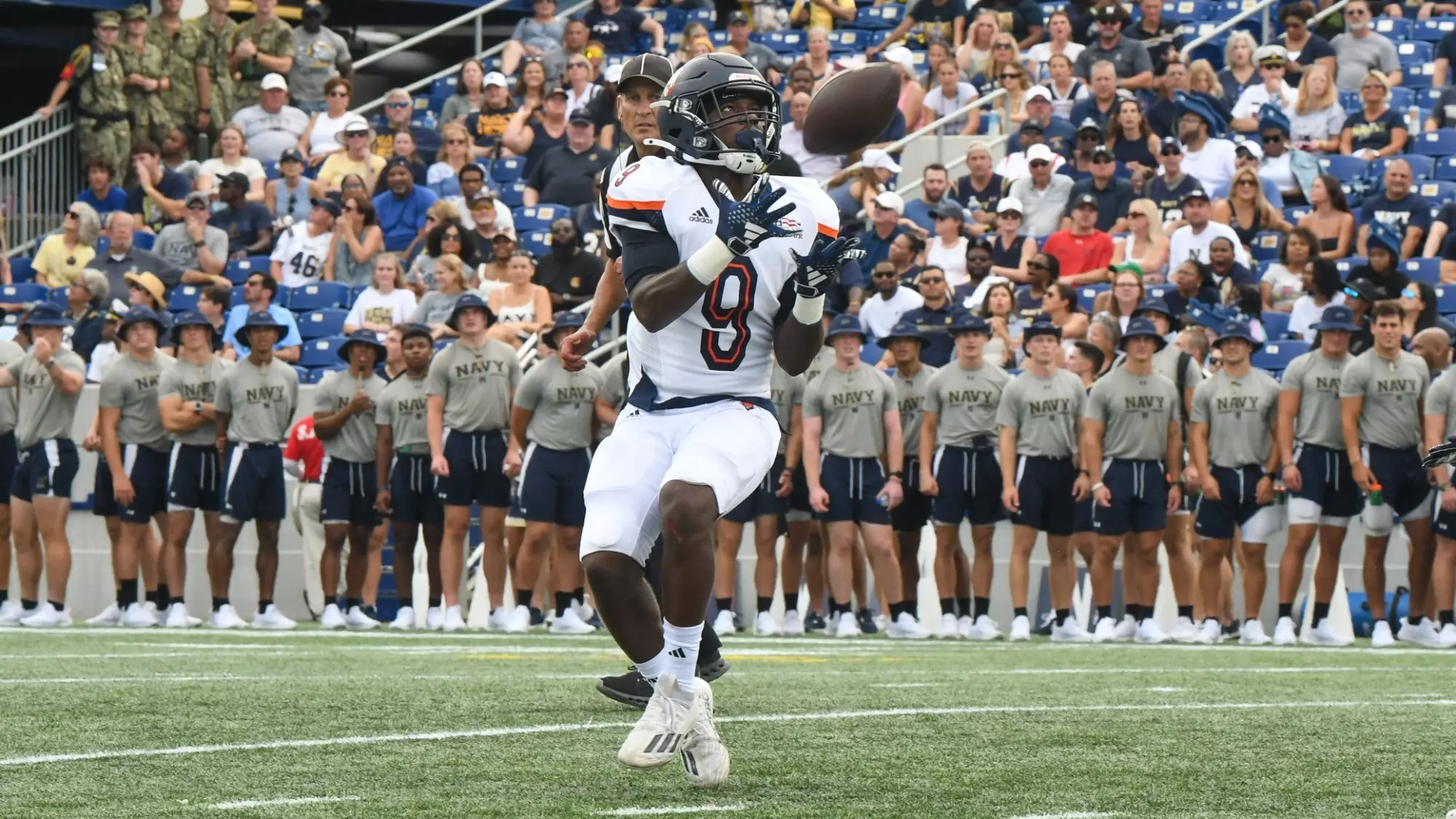
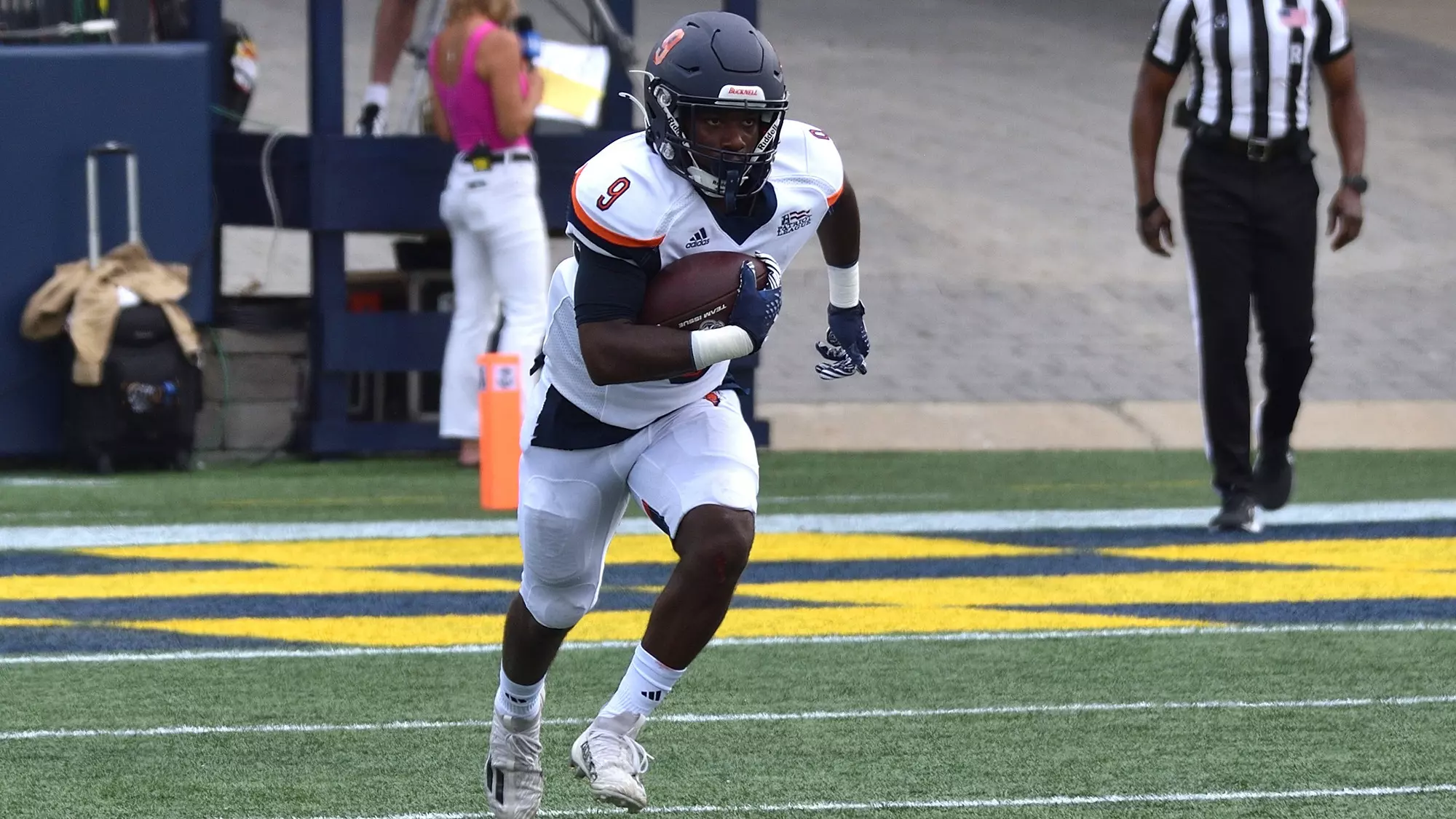
Williams has been invested in both Bucknell and the community since joining the Bison and was recently honored at the inaugural Bucky’s award show with the Robert A. Latour Service Award, which is presented for extraordinary service to Bucknell and the local communities. He started all 12 games for Bucknell last season after transferring from Stanford and recorded 56 tackles and an interception. He also founded the “It Takes a Village Family Foundation”, which is a non-profit organization that is funded by his NIL.
Athletes.org (AO) which is the players association for college athletes, hosted the Leadership and Policy Summit to bring players like Williams into the conversation about the scope and trajectory of college athletics. At this event, the seven athletes selected were given the chance to hold direct conversations with U.S. policymakers and industry leaders about the future of college sports.
Alongside Williams, six other athletes from across the country were invited to attend the event and serve as a collective voice of college athletes everywhere. The other athletes in attendance were Chief Borders (Football, UNLV), Angelina Vasquez (Track & Field, USC), Jada Brown (Women’s Basketball, Vanderbilt), Jacob Hardie (Football, Georgia), Alika Crawford (Alumna, Track & Field, North Texas), Chris Gatty (Men’s Basketball, Syracuse) and Justin Wodtly (Football, Arizona State).
“I felt honored to be able to represent not just my school, but athletes across the whole country trying to bring together this players association and be a part of the conversation representing these athletes that are in college now and those that will be in the future."Terian Williams II
Over the course of the two-day event, Williams took part in discussions on key issues such as NIL reform, athlete protections, eligibility policy and the broader legislative landscape affecting college athletics. The itinerary included virtual Capitol Hill meetings with lawmakers such as Senators Chuck Schumer, Cory Booker, Tommy Tuberville and Ted Cruz, leadership development and advocacy training and the historic unveiling of the Athletes.org Executive Council and its inaugural Athlete Representatives, a first-of-its kind athlete-led leadership body.
The first day was an informative style day where the athletes were able to learn and talk more about what everything going on in the landscape of college athletics means.
“We went over different definitions like what antitrust is, the house settlement, collective bargaining, what the players association is and has done in the past, other organizations that have players associations and different things like that. Then we talked to people from the NFLPA, lawyers, financial advisors and it was great just to have those conversations and get to pick their brains.”Terian Williams II
On day two, the athletes were able to meet with both democrats and republicans from across the country to have individual conversations about a plethora of topics including the transfer portal.
“We talked about a lot of our personal experiences as we go through college and what it looks like from our end because a lot of the time, these different people in power don’t understand the issues that we actually go through. I talked about the transfer portal, the good and bad of it. I talked about issues whether it was from fellow teammates who had problems or myself since I went through the transfer portal including the timing of both the first window in December and the second window after spring ball because I know they are trying to shorten that window when it is already a small one.”Terian Williams II

In the individual meetings, Williams also discussed athletics outside of just football.
Terian Williams II
“I talked about problems in terms of teams outside of football and the funding that they get when it comes to different aspects of the sport. For example, some athletes not having access to shoes for track or cross country or some of these smaller teams. We also went over collective bargaining and so many other things.”
Over the course of the two days and a plethora of conversations, Williams had two favorite aspects of the inaugural summit.
“Talking to the NFLPA on the first day was one of my favorite parts. It was good to talk about and understand how things happen on the NFL side and how if there is an issue from a player's perspective they bring it to the NFLPA and make sure those issues are corrected. For me, asking questions there was pretty cool since I have a football background. It was also pretty cool in itself to be in those conversations with politicians and share stories and see that there's a lot of things that go on that they really didn't understand.”Terian Williams II
Williams is bringing a wealth of knowledge and understanding back to Bucknell after the inaugural Athletes.org Leadership and Policy Summit, including the true voice that college athletes have in the future.
“I'm bringing back the aspect of why we get a players association and the voice that we have as college athletes. You know, college football alone has like the second highest revenue in sports outside of the NFL. We bring in so much money, so being able to have that voice and understand that we don't have to just take things that happen because we're in college is important. This is a multi billion dollar business. We have lives, we have mental health, we go through things on a daily basis and everything that happens affects us, so being able to understand and teach others that the players association has our back in these situations is definitely important for now and the future.”Terian Williams II
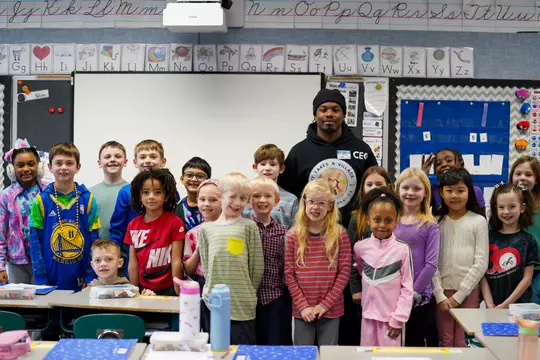
Williams' main take away from the event was the communication that should be had between athletes and the politicians that are making decisions on their behalf moving forward.
“I think the main thing to understand is that as athletes, we don’t want to make the decisions, but we want to help create the decisions with these politicians so that they can understand the things we really go through as athletes while making these major changes.”Terian Williams II